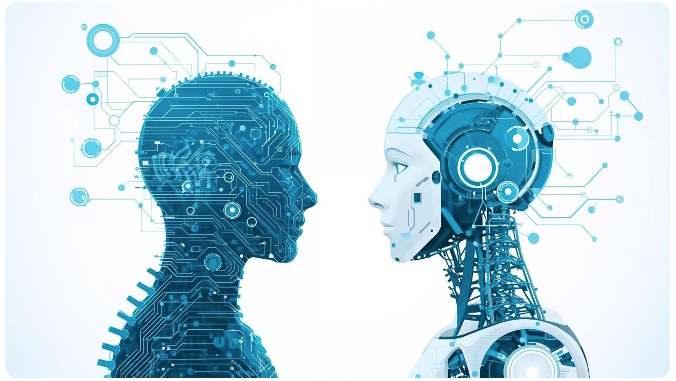
Created by SLC Global and Canva
Why AI Governance Needs Supply Chain Thinkers
AI governance is becoming a global priority, but most discussions are happening without the people who understand the real-world consequences of system failures, that is:
Supply chain professionals.
After more than 2 decades working across operations, risks, disruptions and human systems, one truth has never changed:
Good governance isn’t about rules.
It’s about protecting people.
AI simply magnifies that responsibility today.
AI Is Entering Supply Chains Faster Than We Think
Recommendation engines, demand sensing, supplier risk scoring, autonomous decisions and you name it…they’re already here.
But AI doesn’t understand:
• human impact
• cultural nuance
• ethical trade-offs
• long-term consequences
That’s where governance comes in.
Governance Is the Leadership Skill of the Future
AI governance is often portrayed as technical or regulatory.
In reality, it’s about:
• judgment
• accountability
• societal responsibility
• ethical leadership
• system-wide thinking
Supply chain people already think in systems.
That’s why they’re needed in this conversation.
Why Supply Chain + AI Governance Is a Powerful Combination
SCM professionals understand:
• risk propagation
• data dependency
• operational consequences
• stakeholder impact
• crisis management
AI governance needs this kind of thinking more than ever.
When AI is used to select suppliers or approve shipments, a small bias can scale into large injustice. When forecasting models fail, entire networks feel the damage.
Supply chain knowledge anchors governance in reality, not theory.
A Human-Centred View
I moved deeper into AI governance not because it was trendy, but because I saw what happens when decisions become automated without accountability.
Technology accelerates.
Humans remain responsible.
This partnership of collective intelligence is where future leaders must grow. The term collective intelligence is not new at all. I was introduced to it in 2019 from MIT, and I met Jutta in 2023 from and dos santos GmBH who also shared about their work on collective intelligence.
Closing
The future of work, operations and leadership is shifting.
AI will shape decisions.
Governance will shape outcomes.
And those who understand systems, people and risks, especially supply chain professionals, will play a critical role.
This is a good moment for all of us to step into that responsibility.